
 النسخة العربيه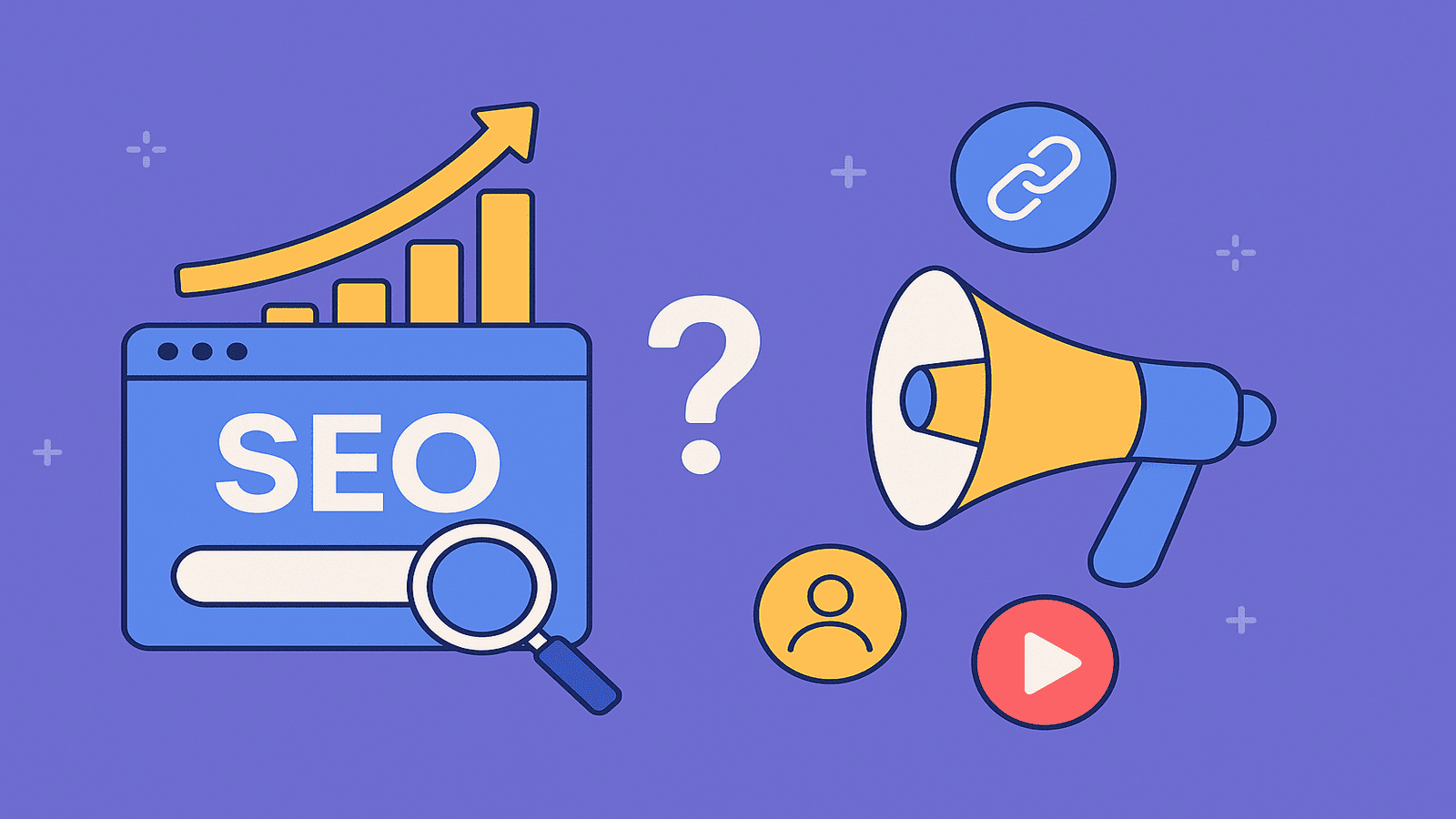
What is the relationship between SEO and digital marketing?
The Concept of SEO and Its Importance in Digital Marketing
Search Engine Optimization (SEO) is the process of improving the visibility of websites in search engine results such as Google. SEO is a core component of digital marketing, as it helps increase website traffic, which in turn drives brand awareness and sales. Understanding this connection between SEO and digital marketing is essential for achieving business goals.
Unlike digital marketing as a whole, which covers broader strategies like paid advertising and social media marketing, SEO focuses specifically on improving visibility in organic search results. Still, SEO works as an integrated outcome within digital marketing, making it a key part of any successful strategy.
The importance of SEO lies in its ability to help businesses reach a larger audience effectively and at relatively low cost. Using relevant keywords and optimizing site structure and pages can improve search rankings, which boosts the chances of attracting potential customers. SEO also enhances user experience by making information easier and faster to find.
By embedding SEO strategies within a digital marketing plan, businesses can secure measurable, sustainable results in competitive markets. Understanding SEO and its value allows companies to grow their online presence and engage their target audience more effectively.

How Does SEO Relate to Digital Marketing?
How SEO Works and Its Impact on Search Visibility
SEO strategies are a fundamental part of digital marketing because they aim to increase online visibility by improving search rankings. One of the most critical steps is keyword research—identifying terms that reflect audience interests and align with site content. Effective keyword targeting ensures that your content matches user queries.
Once keywords are set, on-page SEO becomes vital. This involves optimizing elements within content, such as titles, meta descriptions, and subheadings. Keywords should appear naturally, helping search engines understand the page topic and rank it appropriately. Page design and load speed are also key to both user experience and ranking.
Another crucial element is link building. Gaining backlinks from credible external websites signals to search engines that your content is trustworthy, which boosts rankings. High-quality links strengthen authority, leading to greater visibility in search results. Altogether, keywords, on-page optimization, and backlinks form the backbone of SEO, directly impacting search performance and website traffic growth.
The Integration of SEO with Other Digital Marketing Channels
SEO is a vital part of digital marketing strategy because it boosts organic search visibility and strengthens brand awareness. When integrated with other digital channels, SEO delivers even greater results.
One powerful partner is content marketing. Publishing high-quality blogs, articles, or videos not only adds value for users but also improves SEO performance, driving more traffic to the site.
Social media also plays an important role. Sharing optimized content on platforms can generate backlinks and increase visibility, which indirectly enhances SEO. Using targeted keywords in social posts further boosts engagement and brand recognition, attracting new visitors.
Email marketing is another complementary channel. Directing subscribers to valuable on-site content increases traffic and encourages repeat visits. Insights gained from email campaign responses can also inform SEO strategies—improving keyword targeting and refining content for better results.
Through such integration, SEO multiplies the impact of digital campaigns and supports faster, more efficient achievement of business goals.

SEO Strategies Within Digital Marketing
To maximize SEO as part of a digital marketing strategy, businesses must adopt structured, ongoing approaches. The first step is comprehensive keyword research—selecting search terms relevant to the industry and customer intent. This ensures site content aligns with what audiences are actively searching for.
The second step is improving site structure. Well-organized, easily navigable content helps search engines index pages more effectively. Using descriptive headings, sitemaps, and strong internal linking strengthens site hierarchy and supports higher rankings.
Equally important is user experience (UX). High-quality, easy-to-understand content engages visitors and keeps them on the site longer. Enhancing content with multimedia elements—images, videos, infographics—makes information more appealing and memorable.
Additionally, backlink building remains critical. Collaborating with reputable websites to publish valuable content containing links back to your site boosts authority and credibility in search results.
Finally, continuous SEO performance tracking and analysis are essential. Using analytics tools enables marketers to measure results, adapt strategies, and consistently improve effectiveness.
By applying these strategies, businesses can integrate SEO into digital marketing in a way that strengthens visibility, attracts more traffic, and delivers lasting results.
What Is the Relationship Between SEO and Digital Marketing?
SEO (Search Engine Optimization) is a core pillar of digital marketing, not a separate discipline. Digital marketing includes all online strategies used to promote a brand, while SEO specifically focuses on improving organic visibility in search engines.
In simple terms:
👉 Digital marketing is the umbrella, and SEO is one of its most important tools.
SEO supports digital marketing by increasing unpaid (organic) traffic, improving brand credibility, and enhancing user experience—all of which strengthen overall marketing performance.
How Does SEO Relate to Digital Marketing?
1. SEO Drives Organic Traffic
SEO helps websites appear in search results when users look for relevant information, products, or services. This organic traffic:
-
Is highly targeted
-
Has long-term value
-
Reduces dependency on paid ads
Digital marketing strategies rely on this traffic to generate leads and conversions.
2. SEO Enhances Content Marketing
Content marketing and SEO work hand in hand:
-
SEO identifies what users are searching for
-
Content answers those searches with value-driven material
Blogs, landing pages, and guides optimized for SEO improve search rankings and increase engagement—supporting broader digital marketing goals.
3. SEO Improves User Experience (UX)
Search engines reward websites that offer:
-
Fast loading speeds
-
Clear structure and navigation
-
Mobile-friendly design
These factors are also essential for successful digital marketing, as better UX leads to higher conversions and customer retention.
4. SEO Supports Brand Awareness
Appearing consistently in search results builds trust and recognition. Even when users don’t click immediately, repeated exposure strengthens brand awareness—an essential digital marketing objective.
5. SEO Complements Other Digital Channels
SEO integrates with:
-
Social media marketing (content sharing increases visibility and backlinks)
-
Email marketing (driving traffic to optimized pages)
-
Paid advertising (SEO data improves ad targeting and landing pages)
This integration amplifies the impact of all digital marketing efforts.
Key SEO Strategies Within Digital Marketing
-
Keyword research aligned with user intent
-
On-page optimization (titles, meta descriptions, headings)
-
Technical SEO (site speed, mobile optimization, indexing)
-
Backlink building to increase authority
-
Performance tracking using analytics tools
These strategies ensure SEO delivers measurable and sustainable digital marketing results.
Short Q&A Summary (Great for FAQs)
Q: Is SEO part of digital marketing?
Yes. SEO is a fundamental component of digital marketing focused on organic search visibility.
Q: Can digital marketing succeed without SEO?
Short-term success is possible with paid ads, but long-term, cost-effective growth is difficult without SEO.
Q: How does SEO help digital marketing ROI?
SEO reduces paid advertising costs, attracts high-intent users, and delivers long-term traffic.
Q: Does SEO work alone?
No. SEO is most effective when integrated with content, social media, email, and paid marketing strategies.


No comment