
 النسخة العربيه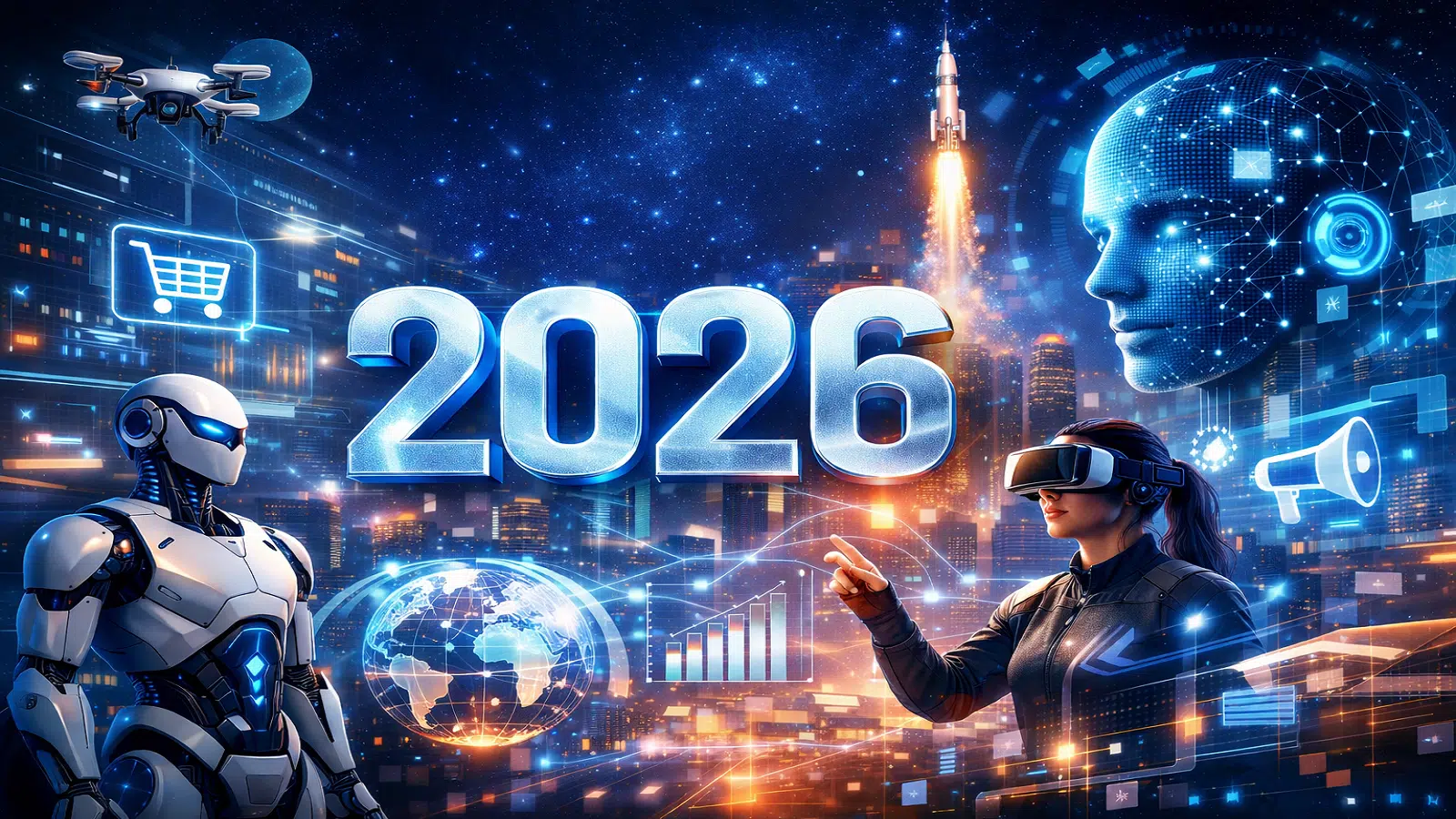
Introduction of The future of digital marketing
In an era marked by rapid changes and ongoing technological development, the future of digital marketing in 2026 becomes a key topic for any organization seeking growth and to stay ahead of the competition. With shifts in artificial intelligence, big data analytics, and changing consumer behavior, marketers need to understand the emerging trends and adapt to them quickly and intelligently.
In this article, we will review the most important future trends in digital marketing for 2026 and how businesses can leverage them to enhance engagement, improve return on investment, and achieve sustainable growth.

What is Digital Marketing?
Digital marketing is the use of digital channels to reach a target audience online with the aim of increasing brand awareness, attracting customers, and achieving sales. This includes search engines, social media networks, email, digital advertising, and enhancing user experience.
Why is the Future of Digital Marketing Important in 2026?
By 2026, digital marketing will be an integral part of any organization’s strategy for success due to:
- Increased reliance on digital technology
- The rise of smartphone usage
- Changing consumer expectations and behavior
- Increased online competition
- Transformation in digital consumer behavior
Consumers have become more aware and are looking for:
✔ Personalized experiences
✔ Valuable content
✔ Fast response times
✔ Human-like interactions on digital platforms
Furthermore, users in 2026 are leaning towards engaging through video, live streaming, and communication tools powered by artificial intelligence.
Artificial Intelligence and Machine Learning in Marketing
Artificial intelligence is no longer optional, but a necessity. It enables marketers to:
🔹 Automatically analyze user behavior
🔹 Personalize content for each user
🔹 Optimize advertising campaigns intelligently
🔹 Predict future customer needs
Technologies like ChatGPT and smart predictive models will become essential tools in marketing by 2026.
Voice Marketing and Voice Search
With the widespread adoption of voice assistants like Alexa and Google Assistant, consumers are turning to:
🎙 Voice search
🎙 Shopping via voice commands
Long-tail keywords will become even more crucial in SEO strategies.
The Reality of Marketing Videos and Their Impact
Video is king in the digital content world. By 2026:
📌 Video views will surpass any other content type
📌 Live streaming will be used for real-time interaction
📌 Short videos will be a key tool for audience engagement
User Experience (UX) and Smart Personalization
Personalization is not just about using a customer’s name but offering an experience tailored to:
✔ User preferences
✔ Browsing behavior
✔ Interaction history
If the user experience is poor, visitors will quickly leave the site, negatively affecting conversion rates.
The Impact of Big Data and Predictive Analytics
Data has become the treasure of organizations by 2026. It helps to:
📊 Understand the audience
📊 Optimize campaigns
📊 Predict trends
📊 Personalize content accurately
Predictive analytics enables companies to make faster, more effective decisions.
Privacy and Security in Digital Marketing
With increasing concerns over personal data, the importance of:
🔐 Security protocols
🔐 Compliance with international standards
🔐 Clear privacy policies
Customers will trust brands that keep their data secure.
Social Commerce and Platform Marketing
Social commerce means selling directly through platforms like:
📍 Instagram
📍 TikTok
📍 Facebook
These platforms will become a primary sales channel, not just for digital presence.
Augmented Reality (AR) and Virtual Reality (VR) in Campaigns
AR and VR will transform marketing from:
🔹 Simple experiences
To
🔹 Immersive interactive experiences
Example: A customer can “try” your product virtually before purchasing.
Challenges Facing Marketers in 2026
📌 Intense competition
📌 Changing algorithms
📌 Rising ad costs
📌 Data protection
📌 Higher expectations from audiences
Preparing for these challenges will help achieve long-term success.
Strategies for Successful Digital Marketing in 2026
💡 Effective strategies include:
🔹 Accurately targeting audience data
🔹 High-quality content marketing
🔹 Investing in video and interactive experiences
🔹 Optimizing voice search
🔹 Relying on AI for analysis and personalization

The Role of E-commerce in the Digital Landscape
E-commerce will continue to grow, with expectations that:
✔ Delivery services will become faster
✔ Electronic payment methods will be more secure
✔ Virtual marketplaces will expand
The Future of Digital Advertising
By 2026, digital ads will rely more on:
📌 Artificial intelligence
📌 Precise targeting
📌 Dynamic campaigns
This means ads will be more personalized and cost-effective in the long term.
Measuring Performance and Optimizing Campaigns
Key performance indicators for 2026 include:
📍 Conversion rate
📍 Customer acquisition cost
📍 Interaction time
📍 Bounce rate
Continuous optimization based on data is the key to true success.
Conclusion and Insights
The future of digital marketing in 2026 is a blend of technology, data, human experience, and precise personalization. Companies that focus on innovation, data analysis, and user experience will lead the way.
Frequently Asked Questions (FAQ)
What is digital marketing?
It is the use of digital channels to reach customers and achieve marketing goals online.
Why is artificial intelligence important in marketing?
Because it helps in data analysis, content personalization, and improving campaign results.
Is video important in a marketing strategy?
Yes, video has become one of the most important tools for audience engagement and interaction.
What’s the difference between traditional and digital marketing?
Digital marketing relies on data and instant interaction, while traditional marketing depends on non-digital methods like physical ads.
Is social commerce good for online sales?
Yes, because it allows customers to purchase directly through social platforms.
Is data important in 2026 for marketing?
Definitely, data is the foundation for successful personalization and predictive analytics.


No comment