
How Web Apps Market Your Business

How Web Apps Market Your Business


Contents hide

How Web Apps Market Your Business

Introduction to Web Apps in Digital Marketing

In today’s fast-paced digital world, understanding how web apps market your business is no longer optional—it’s essential. Businesses that want to stay ahead must adopt smarter, faster, and more interactive ways to connect with their audience. That’s where web apps step in.

At Circle Aims, a leading digital marketing agency, web apps are not just tools—they are powerful growth engines. They help businesses reach the right audience, deliver personalized experiences, and convert visitors into loyal customers.
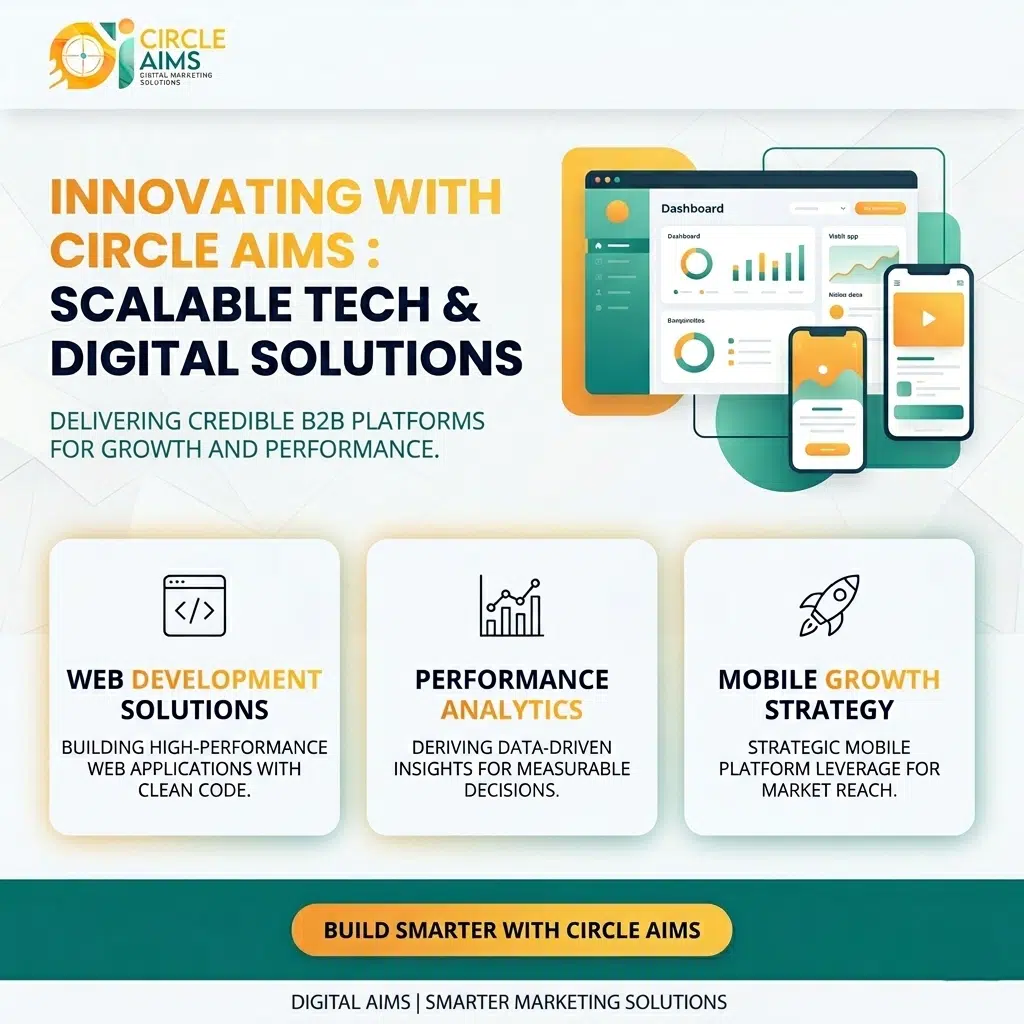
How Web Apps Market Your Business

What Are Web Apps?

Web apps are interactive software applications that run in a web browser. Unlike traditional websites, they allow users to interact, perform actions, and receive dynamic responses.

Examples include:

  • Online booking systems
  • E-commerce platforms
  • Customer dashboards
  • Chat-based services

Think of them as a bridge between your business and your customers—always available, always responsive.

Why Businesses Need Web Apps Today

Let’s be real—customers expect convenience. They want fast, seamless, and personalized experiences.

Web apps provide:

  • Instant access across devices
  • Smooth navigation
  • Interactive features
  • Real-time updates

Without these, businesses risk losing customers to competitors who offer better digital experiences.

The Role of Web Apps in Business Growth

Web apps play a major role in scaling businesses and improving marketing outcomes.

Enhancing Brand Visibility

A well-designed web app increases your online presence. It ensures your business is:

  • Easily discoverable
  • Accessible 24/7
  • Consistent across platforms

Search engines also favor fast, responsive platforms, giving your business a better chance to rank higher.

Driving Customer Engagement

Engagement is the heart of marketing. Web apps make it easier by:

  • Offering interactive content
  • Sending push notifications
  • Providing instant feedback

This keeps users coming back—and that’s exactly what builds long-term relationships.

Key Features of Marketing-Focused Web Apps

Not all web apps are created equal. The best ones share specific features that enhance marketing performance.

User-Friendly Interface

A clean and intuitive design ensures users don’t feel lost. If users struggle, they leave—simple as that.

Good UI includes:

  • Easy navigation
  • Clear calls-to-action
  • Fast loading times

Mobile Responsiveness

Most users browse on their phones. A web app must adapt seamlessly to all screen sizes.

Benefits:

  • Better user experience
  • Higher engagement rates
  • Improved SEO rankings

Data Analytics Integration

Data is everything in digital marketing.

Web apps track:

  • User behavior
  • Conversion rates
  • Traffic sources

This allows agencies like Circle Aims to make data-driven decisions and refine strategies.

How Web Apps Market Your Business Effectively

Now let’s dive into the core question—how web apps market your business in practical terms.

Personalized User Experience

Web apps can tailor content based on user behavior.

For example:

  • Product recommendations
  • Customized dashboards
  • Targeted offers

This makes users feel understood—and that builds trust.

Automation and Marketing Funnels

Web apps automate repetitive tasks like:

  • Email campaigns
  • Lead nurturing
  • Customer onboarding

This ensures no opportunity is missed while saving time and effort.

Real-Time Customer Interaction

With features like live chat and chatbots, businesses can:

  • Answer queries instantly
  • Solve problems quickly
  • Guide users through the sales funnel

This boosts satisfaction and increases conversions.

How Web Apps Market Your Business

Benefits of Web Apps for Digital Marketing Agencies

For agencies like Circle Aims, web apps are a game-changer.

Cost Efficiency

Compared to traditional apps, web apps:

  • Require less development cost
  • Need no installation
  • Are easier to maintain

This makes them ideal for businesses of all sizes.

Scalability

As your business grows, your web app can grow with you.

You can:

  • Add new features
  • Expand functionalities
  • Handle increased traffic

Web Apps vs Traditional Marketing Channels

Speed and Reach

Traditional marketing is slow and limited. Web apps, on the other hand:

  • Reach global audiences instantly
  • Deliver messages in real-time

Measurable Results

With web apps, every action can be tracked.

Metrics include:

  • Click-through rates
  • User engagement
  • Conversion rates

This makes it easier to improve campaigns continuously.

Tools and Technologies Used in Web Apps

Progressive Web Apps (PWAs)

PWAs combine the best of web and mobile apps.

They offer:

  • Offline access
  • Fast loading
  • App-like experience

Learn more about PWAs here: https://web.dev/progressive-web-apps/

AI and Chatbots

AI-powered tools help businesses:

  • Automate responses
  • Predict user behavior
  • Improve personalization

SEO Optimization Through Web Apps

Improving Page Speed

Fast-loading web apps reduce bounce rates and improve rankings.

Enhancing User Experience for Rankings

Search engines prioritize:

  • Mobile-friendly designs
  • Easy navigation
  • Relevant content

Web apps tick all these boxes.

Case Study: Circle Aims Digital Marketing Success

At Circle Aims, web apps are not just theoretical tools—they are actively used to drive measurable results for clients across industries. This section highlights how a strategic approach to web apps can transform business outcomes.

Strategy Implementation

Circle Aims begins with a deep understanding of the client’s goals, audience, and market position. From there, a tailored web app strategy is developed.

Key steps include:

  • Audience Research: Identifying customer behavior, preferences, and pain points
  • Custom Web App Development: Building solutions that align with business objectives
  • Integration with Marketing Tools: Connecting CRM systems, email platforms, and analytics tools
  • SEO Optimization: Ensuring the web app is fast, responsive, and search-engine friendly

For example, a retail client partnered with Circle Aims to create a web app that included:

  • Personalized product recommendations
  • Automated email follow-ups
  • Real-time customer support

The result? A seamless user journey from discovery to purchase.

Results Achieved

The impact of implementing web apps was significant:

  • Increase in Conversion Rates: Up to 45% improvement due to personalized experiences
  • Higher Customer Retention: Users returned more frequently thanks to engagement features
  • Improved ROI: Reduced marketing costs through automation and efficiency
  • Better Data Insights: Real-time analytics enabled smarter decision-making

This case clearly shows how web apps market your business by combining technology with strategy to deliver real, measurable growth.

Common Mistakes to Avoid

Even though web apps are powerful, mistakes in implementation can limit their effectiveness. Let’s look at some common pitfalls.

Poor UX Design

A confusing interface can drive users away instantly.

Avoid:

  • Cluttered layouts
  • Slow loading times
  • Complicated navigation

Instead, focus on simplicity and clarity. A smooth experience keeps users engaged and encourages conversions.

Lack of Analytics

Without tracking performance, you’re essentially guessing.

Businesses often fail to:

  • Monitor user behavior
  • Track conversion paths
  • Analyze engagement metrics

This leads to missed opportunities for improvement. Always integrate analytics tools to make data-driven decisions.

Future Trends in Web App Marketing

The digital landscape is constantly evolving, and web apps are at the forefront of innovation.

AI-Driven Personalization

Artificial intelligence is making web apps smarter than ever.

Future capabilities include:

  • Predicting user needs before they act
  • Delivering hyper-personalized content
  • Automating complex marketing decisions

This will take how web apps market your business to a whole new level.

Voice Search Optimization

With the rise of voice assistants, optimizing web apps for voice search is becoming essential.

Businesses will need to:

  • Use conversational keywords
  • Optimize for mobile and speed
  • Structure content for voice queries

Those who adapt early will gain a strong competitive advantage.

How Web Apps Market Your Business

FAQs

1. How do web apps help market a business?

Web apps enhance marketing by providing personalized experiences, automating processes, and enabling real-time interaction with customers.

2. Are web apps better than traditional websites?

Yes, web apps are more interactive, dynamic, and capable of delivering tailored user experiences compared to static websites.

3. Can small businesses benefit from web apps?

Absolutely. Web apps are scalable and cost-effective, making them suitable for businesses of all sizes.

4. How does Circle Aims use web apps for marketing?

Circle Aims develops custom web apps that integrate with marketing tools, optimize SEO, and enhance user engagement to drive results.

5. Do web apps improve SEO rankings?

Yes, web apps improve factors like page speed, mobile responsiveness, and user experience, all of which contribute to better SEO rankings.

6. What industries benefit most from web apps?

E-commerce, healthcare, education, finance, and service-based industries benefit greatly from web app integration.

Conclusion

Understanding how web apps market your business is essential in today’s digital-first world. They are more than just tools—they are powerful platforms that connect, engage, and convert audiences.

From improving user experience and boosting SEO to automating marketing processes and delivering personalized content, web apps provide a complete solution for modern businesses.

At Circle Aims, the focus is on leveraging these technologies to help businesses grow smarter and faster. By combining innovation with strategy, Circle Aims ensures that every web app delivers real value and measurable success.

If you want to stay competitive, increase engagement, and drive long-term growth, investing in web apps is not just a choice—it’s a necessity.

No comment

Leave a Reply

Your email address will not be published. Required fields are marked *